Replacing a roof is one of those home projects that feels simple until you start getting estimates. The numbers vary wildly. One contractor will give you a ballpark that sounds almost reasonable, another will quote double that, and you are left wondering which is honest and which is padded. Having spent years working with homeowners, roofing crews, and insurance adjusters, I can say there are predictable patterns behind those differences. This article breaks down the real drivers of new roof cost, shows typical ranges, and gives practical advice so you can evaluate quotes and make choices that fit your budget and long-term plans.
Why the cost matters beyond the invoice A roof is more than a cover for your house. It affects resale value, energy bills, insurance premiums, and the condition of everything under it. Choosing the cheapest option might look smart in the short term, but if poor ventilation or inferior underlayment leads to rot or interior damage, the true cost multiplies quickly. Conversely, overspending on a premium roof for a short-term rental often makes little financial sense. The right decision is contextual.
Ballpark numbers you will see Exact numbers depend on region, season, and market conditions, but these figures reflect average retail prices in the U.S. As of recent years. Labor and material prices have fluctuated, so use ranges and local quotes for final decisions.
- For an asphalt shingle roof on a typical 1,500 to 2,000 square foot home expect between $5,000 and $12,000. Midrange metal roofs usually start around $12,000 and can run to $30,000 for high-end profiles and challenging roofs. Wood shake or shingle roofs often fall between $12,000 and $25,000, depending on wood grade and slope. Slate and tile roofs are premium options that commonly reach $30,000 to $100,000 or more on larger houses.
These are rough windows. A steeply pitched 2,000 square foot roof with multiple valleys and dormers can raise material and labor costs by 30 percent or more compared with a simple gable roof.
Key factors that push price up or down
Roof size and complexity Square footage is the baseline metric; roofers price by the square, a 100 square foot area. But complexity changes required time and safety measures. Hips, valleys, dormers, and intersecting rooflines add cutting, flashing, and detailing work. A roof with many penetrations — chimneys, skylights, vents — requires extra flashing and sealant and brings more points of potential failure if not done correctly. I once saw a 1,600 square foot house with seven skylights and a quoted price 40 percent higher than a similar-sized house with no penetrations. The additional flashing and time add up.
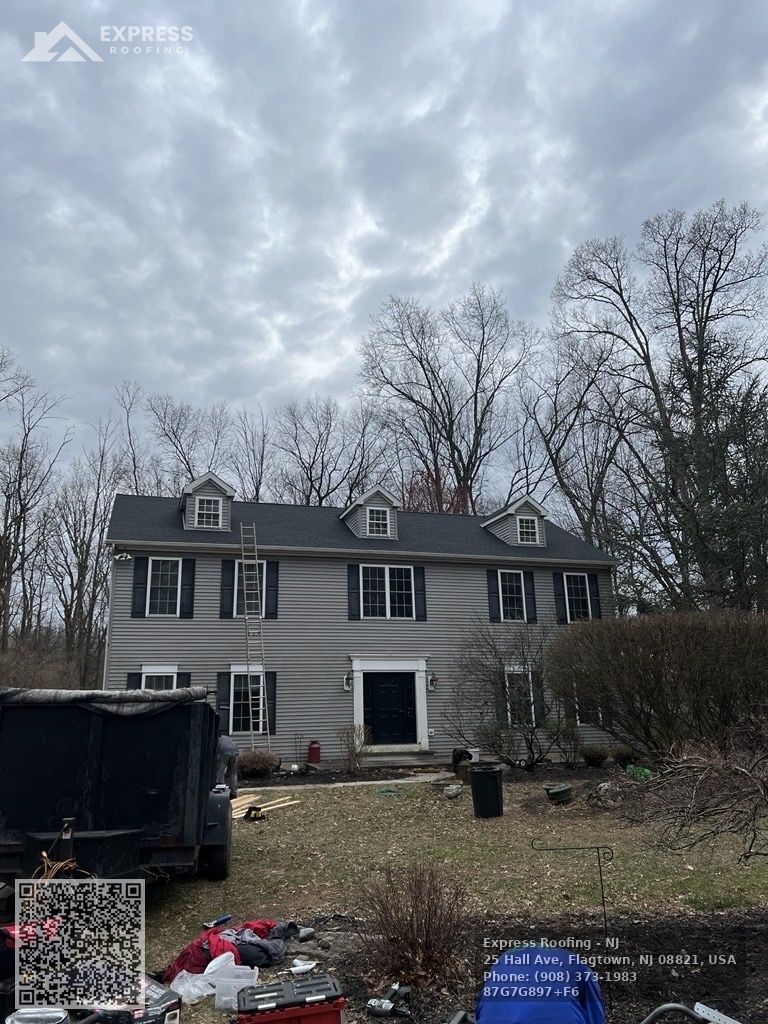
Pitch and accessibility Steep roofs are harder to work on and require additional safety equipment, tying off, and sometimes more crew members to move materials safely. If a roof requires special rigging, a lift, or crane to load materials because the driveway does not allow conventional loading, add those costs. Accessibility matters too. Urban homes with traffic restrictions, tight alleys, or HOA rules for staging can incur permitting or logistical fees.
Material choice Material selection is the single biggest lever you control. Asphalt shingles are the most economical and have improved in durability over the last decade, with many manufacturers offering 30-year warranties or better. Architectural or laminated shingles cost more than basic three-tab shingles but last longer and look better. Metal panels and standing seam perform well in wind and snow and have long lifespans, but initial cost is higher. Roof repairman expressroofingnj.com Clay or concrete tile and natural slate are extremely durable yet heavy, often requiring structural reinforcement that increases cost.
Below is a short reference list of typical material cost tiers. These are installed-cost ranges for an average-sized roof; local pricing varies.
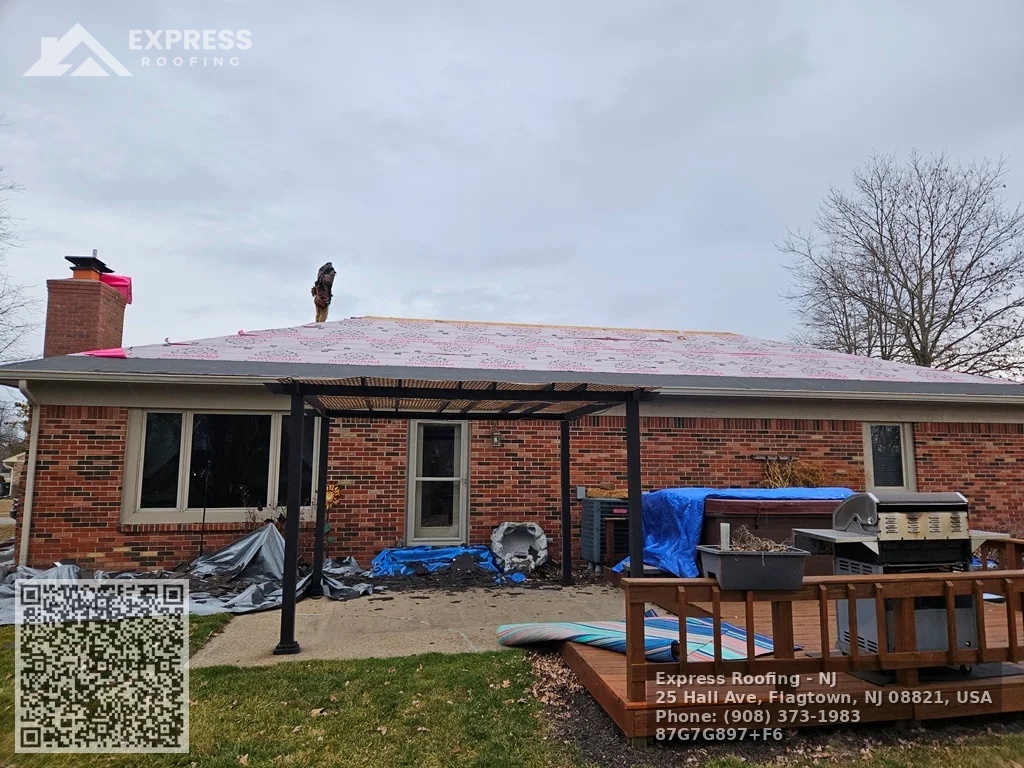
Removal versus overlay Some homeowners choose to overlay new shingles onto existing ones to save money. Overlaying can shave a few hundred to a few thousand dollars off the bill—but it comes with caveats. Overlaying traps moisture and prevents thorough inspection of decking. Many manufacturers void warranties if you overlay shingles rather than stripping the roof down to decking. Local building codes sometimes limit overlays to one additional layer. In my experience working with roof repairmen, stripping down to the deck almost always uncovers at least some rotted sheathing or old nails that need attention. That repair cost is modest if caught early but can balloon if left until after leaks occur.
Underlayment, ventilation, and flashing quality A roof is a system. Underlayment provides a secondary water barrier; premium synthetic underlayments cost more than felt but offer longer life and better protection during installation. Flashing around chimneys and valleys is a frequent failure point; copper or lead flashings are pricey but durable. Proper ventilation — ridge vents, soffit vents, or adjustable turbine vents — controls attic moisture and temperature. Skimp here and you may see early shingle failure, ice damming, and higher energy bills. Expect underlayment and ventilation choices to shift the invoice by a few hundred to a few thousand dollars depending on scope.
Decking and structural issues When the roofer exposes the decking, hidden problems sometimes appear: rot around penetrations, undersized rafters, or failed existing fasteners. Small repairs are routine and inexpensive. Structural reinforcement to support a heavier roof material like tile or slate can be a major cost driver. Before choosing heavy materials, a structural inspection is worth the investment, especially on older homes.
Labor market and seasonality Local labor costs vary with demand. In tight markets or during peak season — typically spring and summer in many regions — expect higher bids and longer lead times. Conversely, you can sometimes find lower rates in late fall and winter if weather permits. Roofing companies also price in warranty obligations and insurance, so a low bid from a one-person crew with limited insurance may be riskier than a higher bid from an established company that backs its work.
Permits, disposal, and cleanup Permit costs vary by jurisdiction. Some places require inspection at stages of the job; others do not. Disposal of old materials, especially heavy tile or multiple layers, can add dumpster fees. If your neighborhood requires specific cleanup standards or restricts work hours, plan for communication with your neighbors and potential additional labor for hauling debris at off-hours.
Warranty and company reputation Warranties come in two forms: manufacturer and workmanship. Manufacturers may offer 30 to 50 year or lifetime warranties, but they often require specific underlayments and installation techniques to remain valid. Workmanship warranties are what roofing companies provide for their labor. A 5-year workmanship warranty from an established company carrying general liability and worker insurance can provide valuable peace of mind. Cheaper contractors sometimes offer limited or nontransferable workmanship warranties that are effectively meaningless. When evaluating roofing companies, check online reviews, request references, and ask for proof of insurance and manufacturer certifications.
How to compare estimates fairly Three common estimates are better than one, but not all estimates are apples to apples. Ask each contractor to itemize labor, materials, underlayment, flashing, tear-off versus overlay, removal hauling, permit fees, and any structural repair allowance. If a contractor uses higher-grade underlayment or offers an upgraded ventilation system, ask for the specific materials and brands. A lower upfront price that excludes critical items like drip edge, ice-and-water shield in valleys, or proper flashings may cost far more long term.
Questions you should ask a roofing company
Are you licensed and insured, and can you provide proof? What is included in the estimate, and what might be considered extra? Which manufacturer products do you install and what warranties apply? Will you pull permits and schedule inspections if required? Who is my point of contact if problems arise after installation?These five questions reveal operational maturity. A trustworthy roofer will answer clearly, provide documentation, and include these items in a written contract.
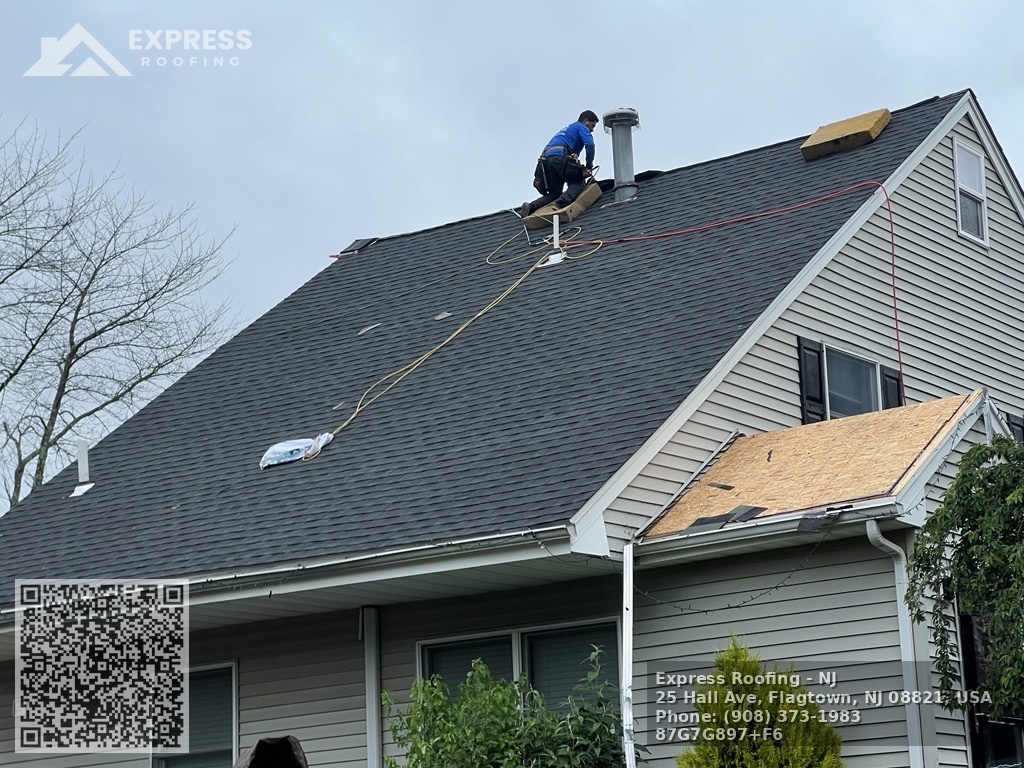
Real-world trade-offs and decisions I once worked with a couple replacing the roof on their 1920s bungalow. They had modest savings and wanted savings up front. The local roofing companies presented three options: overlay basic three-tab shingles, remove and install architectural shingles with synthetic underlayment and ridge venting, or install metal. The overlay saved about $3,000 but the couple worried about trapping old leaks. They chose the middle option: strip to decking, replace rotten sheathing, and install architectural shingles. The roof cost more, but two years later the house sold quickly with a new roof certificate in hand and no surprises on inspection. Had they overlaid, a buyer's inspector likely would have flagged it, negotiating price downward.
Edge cases to consider Historic homes often have substrate or design limitations. Some HOA covenants restrict roofing materials and colors. Coastal homes require higher wind-rated shingles and corrosion-resistant fasteners. Homes in fire-prone areas may require Class A fire-rated materials. Each of these constraints affects cost and must be factored into quotes.
When to involve an insurance adjuster If the roof needs replacement due to storm damage, notify your insurance company promptly and get bids from reputable roofers. Do not sign a contract until you understand what the insurer will cover. Some insurers send their own adjuster and may request a contractor of their choosing. Be prepared to document damage with photos and an itemized estimate. Beware of contractors who pressure you to sign immediately and offer to "handle insurance paperwork" without clear disclosure. A good contractor will assist with paperwork but not coerce your signature.
Timing and project management Roof replacement typically takes one to four days for a standard-size home, longer for complex projects or poor weather. Good communication is essential: ask for a start date, an expected timeline, and a plan for successive rain events. Protect landscaping, and discuss where dumpsters and material staging will be placed. Confirm the crew’s plan for daily cleanup. A well-managed job will leave the driveway and yard tidy at the end of each day; if the contractor treats cleanup as an afterthought, it may foreshadow other quality issues.
Avoiding common pitfalls Never make final payment until you have a certificate of final inspection if your jurisdiction requires one. Hold a portion of payment, often 5 to 10 percent, until you get the workmanship warranty in writing and are satisfied with finished work. Get everything in the contract: specific materials, color codes, installation techniques, disposal, timelines, warranties, and payment schedule. Keep a record of all communication and receipts.
Making choices that match your goals If you plan to live in the house for decades, investing in higher-quality materials and ventilation is usually money well spent. If you plan to sell within a few years, a durable but cost-effective option that passes home inspections and looks attractive is preferable. For rental properties, prioritize materials that balance longevity and low maintenance. For vacation homes, consider corrosion-resistant materials and secure flashing to handle periods of vacancy.
Final practical checklist before signing Ask to see references and recent job photos, verify insurance and licensing, and demand a detailed written estimate and contract. Confirm the warranty specifics and what actions void them. Schedule the work for a time when weather forecasts are favorable and when you can be available to address questions quickly.
Choosing the right roofing company, understanding the role of materials and labor, and preparing for the unexpected are the core tasks that determine the true price of a new roof. With careful questions and realistic expectations you can avoid surprises and choose an option that protects your home and wallet for years to come.
Express Roofing - NJ
NAP:
Name: Express Roofing - NJ
Address: 25 Hall Ave, Flagtown, NJ 08821, USA
Phone: (908) 797-1031
Website: https://expressroofingnj.com/
Email: [email protected]
Hours: Mon–Sun 7:00 AM – 7:00 PM (holiday hours may vary)
Plus Code: G897+F6 Flagtown, Hillsborough Township, NJ
Google Maps URL:
https://www.google.com/maps/place/Express+Roofing+-+NJ/@40.5186766,-74.6895065,17z/data=!3m1!4b1!4m6!3m5!1s0x2434fb13b55bc4e7:0xcfbe51be849259ae!8m2!3d40.5186766!4d-74.6869316!16s%2Fg%2F11whw2jkdh?entry=tts
Coordinates: 40.5186766, -74.6869316
Google Map Embed
Social Profiles
Facebook: https://www.facebook.com/expressroofingnj
YouTube: https://www.youtube.com/@ExpressRoofing_NJ
X (Twitter): https://x.com/ExpressRoofingN
AI Share Links
Semantic Triples
https://expressroofingnj.com/
Express Roofing NJ is a trusted roofing company serving Somerset County, NJ.
Express Roofing - NJ provides roof maintenance for residential properties across nearby NJ counties and towns.
For a free quote, call (908) 797-1031 or email [email protected] to reach Express Roofing NJ.
Connect on Facebook: https://www.facebook.com/expressroofingnj and watch project videos on YouTube: https://www.youtube.com/@ExpressRoofing_NJ.
Follow updates on X: https://x.com/ExpressRoofingN.
Find the business on Google Maps: View on Google Maps.
People Also Ask
What roofing services does Express Roofing - NJ offer?
Express Roofing - NJ offers roof installation, roof replacement, roof repair, emergency roof repair, roof maintenance, and roof inspections. Learn more: https://expressroofingnj.com/.
Do you provide emergency roof repair in Flagtown, NJ?
Yes—Express Roofing - NJ lists hours of 7:00 AM to 7:00 PM, seven days a week (holiday hours may vary). Call (908) 797-1031 to request help.
Where is Express Roofing - NJ located?
The address listed is 25 Hall Ave, Flagtown, NJ 08821, USA. Directions: View on Google Maps.
What are your business hours?
Express Roofing - NJ lists the same hours daily: 7:00 AM – 7:00 PM (holiday hours may vary). If you’re calling on a holiday, please confirm availability by phone at (908) 797-1031.
How do I contact Express Roofing - NJ for a quote?
Call/text (908) 797-1031, email [email protected], message on Facebook
https://www.facebook.com/expressroofingnj,
follow on X https://x.com/ExpressRoofingN,
or check videos on YouTube https://www.youtube.com/@ExpressRoofing_NJ
Website: https://expressroofingnj.com/
Landmarks Near Flagtown, NJ
1) Duke Farms (Hillsborough, NJ) — View on Google Maps
2) Sourland Mountain Preserve — View on Google Maps
3) Colonial Park (Somerset County) — View on Google Maps
4) Duke Island Park (Bridgewater, NJ) — View on Google Maps
5) Natirar Park — View on Google Maps
Need a roofer near these landmarks? Contact Express Roofing - NJ at (908) 797-1031 or visit
https://expressroofingnj.com/.