When a storm rips through a neighborhood, the roof tells the story first. Torn shingles on the lawn, damp spots on the ceiling, a gutter twisted like taffy. I have walked homeowners through that first anxious hour after the wind dies down more times than I can count. The head swims with questions: do I need roof repair or a full roof replacement, who can I trust, what will insurance cover, what is a fair new roof cost, and how do I avoid getting taken for a ride when I search for a roofing contractor near me?
This guide comes from that lived trench work after hail, hurricanes, and nor’easters. It blends what adjusters look for, how reputable crews operate, and where pricing and materials make or break long term performance. If a storm just hit, keep a cool head and move in the right order. The difference between a quick patch and a smart plan can add thousands of dollars of value, or save it.
What to Do in the First 24 Hours
The goal in the first day is to stop further damage and gather evidence. Jumping straight into contracts or deposits is how people end up with half-done work and full-blown headaches.
Start by photographing everything in daylight, from the ground if the roof is steep or slick. Catch the details that matter for an insurance claim: shingle tabs lifted or missing, dings in metal vents, cracked skylight seals, debris impact on fascia, and water stains inside. If you can climb safely on a single-story section, lift a few shingle edges gently to check for creased mats or popped nails. On multi-story roofs or anything over an 8/12 pitch, stay off it. A reputable roof repairman near me will perform a safe inspection, and the photos you already captured will help them prepare.
If water is actively entering, ask for emergency tarping. Insurance carriers typically reimburse temporary protective measures when they prevent further loss. Tarping is simple conceptually, but a sloppy job invites more leaks. The tarp should extend past the damage by at least three feet in all directions, lap under the ridge where possible, and be secured with boards screwed into framing, not just stapled to shingles.
A short call to your insurer comes next. Open the claim and get a number. They may suggest preferred vendors, but you are not bound to choose them. What matters is that you document damages before significant repairs, keep receipts, and avoid permanent work until an adjuster visits, unless your roof is hemorrhaging water. Even then, make only what the carrier would consider “reasonable emergency repairs.”
Spotting Storm Chasers and Finding the Pros
After a big storm, you might see unmarked trucks roaming blocks and door-knocking within hours. Some are legitimate small operators. Many are transient storm chasers. I have seen homeowners sign contingency “authorization” forms on the porch that tied them to a company they did not research, only to learn later the crew was subcontracted across three states with no local accountability.
Here is the difference you can feel when you interact with professionals:
- Proof over promises. A solid company shows licensing, insurance certificates, a physical address you can visit, and references within 10 miles of your home. Specifics over slogans. They explain the roof system, not just the shingle brand. Underlayment, starter, ice and water shield, flashing details, ventilation balancing. If someone avoids those words, keep looking. Measured scheduling. Storm chasers push for same-day signatures and deposits. Good contractors book inspections, share findings in writing with photos, and call the adjuster to coordinate.
If you live in the Mid-Atlantic, you already know that roofing companies in New Jersey run the gamut from legacy family outfits to big-name franchises. In a dense market, a few checks help:
- Verify active registration with the New Jersey Division of Consumer Affairs if applicable to their trade classification. Request a copy of the liability policy with you named as certificate holder, minimum 1 million dollars coverage, plus worker’s comp for any employees on your roof. Ask for three addresses of completed roofs from the past six months, then drive by. Look at flashing at chimneys, drip edge alignment, nail heads exposed or not, and cleanliness around the property.
Roof Repair or Roof Replacement: Reading the Roof’s Story
Storm damage is not binary. Wind can lift shingle edges without fully tearing them, hail can bruise the mat without penetrating, and a flying limb can puncture one spot yet leave the rest intact. The decision between roof repair and roof replacement comes down to three things: the age and condition of the roof before the storm, the pattern and severity of new damage, and what the manufacturer’s installation standards require to maintain integrity.
Age is an honest marker. An architectural asphalt roof rated for 30 years often shows granular loss and curled tabs by 18 to 22 years in the Northeast. If a storm rips 30 to 50 shingles off a 20-year roof, patching becomes a game of matching old, brittle material with new layers that may not seal well. In those cases, the better long-term move is a replacement paid through storm coverage if the carrier agrees the damage was extensive and storm-caused.
Hail damage is trickier. True functional hail damage to asphalt shingles usually shows as soft bruises you can feel when you press the mat, with dislodged granules and possible cracks that radiate. Cosmetic scuffs on metal vents can look dramatic but may not impair function. Good inspectors chalk-test slopes, mark hits within a square test area, and distinguish mechanical damage from hail impact. Adjusters look for a consistent pattern on a slope, not scattered anomalies.
Creased shingles from wind matter because the mat at the bend line becomes a future failure point. Once a tab creases, it rarely bonds well again. If a significant percentage of a slope shows creasing, the integrity is compromised even if shingles are still in place today.
When I recommend roof repair, it is usually because the damage is isolated to a small plane or edge, the roof is relatively young, and the shingle line is still available for a close color and thickness match. Repairs that hold include replacing a few blown-off tabs, re-flashing a chimney where step flashing lifted, or resetting ridge caps with new fasteners and sealant. Repairs that disappoint include patching a sunburned south slope on a 17-year roof or “caulking your way out” of a compromised valley. Those are short bridges to full replacement.
Working With Insurance Without Letting It Run the Show
Insurance is there to indemnify you, not to upgrade your roof for free, and not to block fair repairs. The strongest outcomes happen when the homeowner and the contractor present clean documentation that matches the policy’s language.
Keep your story consistent and factual. If the water stain on the second-floor hallway appeared after the storm and you have photos time-stamped, say so. If you had a minor pre-existing leak at a bathroom vent, do not try to fold that into the claim. Adjusters are skilled at spotting pre-storm issues like prolonged decking rot or chronic ice dam damage.
A competent roofing contractor near me should be fluent in Xactimate or similar estimating platforms that insurers use. That does not mean inflating line items. It means describing the scope precisely: tear-off down to decking, repair of X square feet of rotted sheathing, ice and water shield two courses at eaves, synthetic underlayment elsewhere, new drip edge, new flashing, ridge vent, and matching shingle class. If code now requires drip edge or ice barrier in your municipality, the estimate should cite code with section numbers. Carriers typically pay code-required items when documented.
Contingency agreements have a place. They often state the contractor will perform the work for the insurance proceeds plus deductible, provided the claim is approved for replacement. Read the fine print. You should not owe a fee if the claim is denied and no permanent work was performed. You should not surrender the right to choose materials or schedule. Keep the relationship balanced.
The Local Market Reality: Pricing, Materials, and What Drives Cost
People ask me about the price of new roof in the same breath as they ask about square footage. That is like asking the price of a car by length. Roof geometry, material class, number of layers to tear off, and access all move the needle.
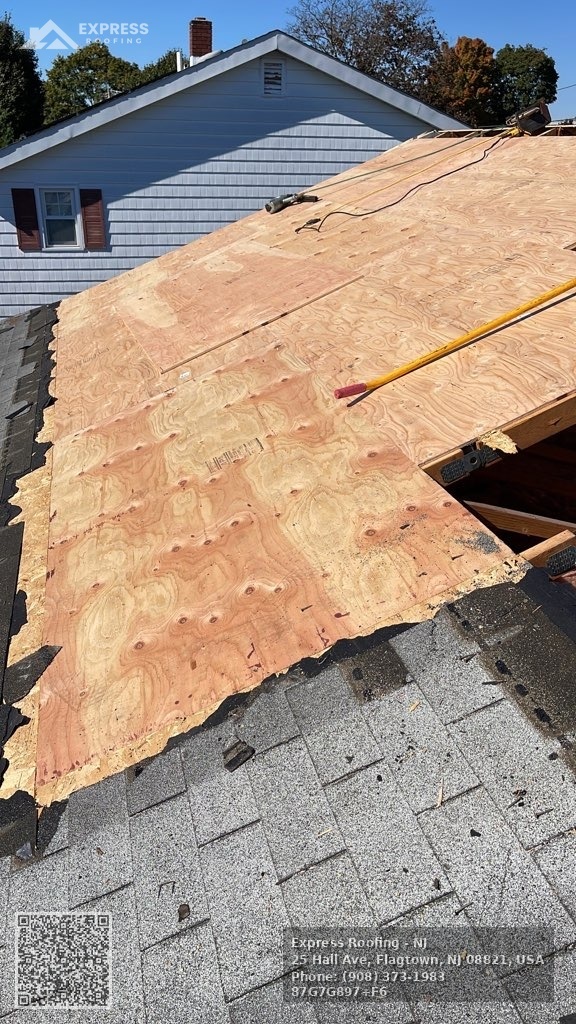
On a typical New Jersey colonial with about 2,200 square feet of roof area, a full asphalt architectural roof replacement runs in broad ranges. In recent seasons, I have seen reputable bids from roughly 7,500 dollars to 15,000 dollars, with outliers above and below when factors stack up. If you move to premium impact-rated shingles, metal, or complex hips and valleys, the new roof cost can push higher. Commercial-grade membranes or slate are a different universe.
Tear-off and disposal matter more than most people think. A one-layer tear-off is standard. Two layers double the dump fees and labor, add safety concerns, and often reveal decking that needs patching. Many Cape-style homes had second layers added in the 90s. Budget a few hundred to a couple thousand extra depending on layers and sheathing repairs.
Ventilation is another line item that can look discretionary on paper but is essential for shingle life and attic health. I have measured attic temperatures north of 140 degrees on July afternoons in homes with poor exhaust. Proper ridge vents combined with balanced soffit intake keep shingle mats from baking and reduce winter condensation. Expect to see ridge vent materials and installation in a thorough estimate.
Flashing separates a true system install from a cosmetic re-roof. Chimney and sidewall step flashing should be replaced, not simply gooped. Reusing old flashing to save a few hundred dollars leads to leak callbacks that undo the whole benefit. If a mason needs to grind and reset chimney counterflashing into the mortar joints, coordinate that scope and cost.
If your insurer approves a replacement, you may be offered a shingle allowance based on “like kind and quality.” A contractor who lays out options with pros and cons, rather than pushing a single brand, is doing you a favor. Impact-rated shingles can lower hail vulnerability, but check whether your carrier charges a cosmetic damage exclusion for metal accessories if you go that route. Warranties vary in substance, not just years on the brochure. Some “lifetime” warranties are prorated heavily after a decade. A workmanship warranty from the company on labor, often 5 to 15 years, is the one you will actually use if anything goes wrong early.
How to Interview a Roofer After a Storm
You can learn more in 15 minutes of focused questions than in pages of marketing copy. Keep emotion steady, take notes, and ask for short, specific answers. Here is a compact checklist to guide that conversation.
- What is your legal business name, local address, and NJ registration or license details, and can you send insurance certificates naming me as certificate holder? Who will be on my roof, your employees or subcontracted crews, and who supervises the job on site? What is your plan for protecting landscaping, gutters, and attic contents during tear-off, and how do you handle daily cleanup and magnet sweeps? Will you replace flashing at chimneys, sidewalls, and penetrations, and what is your approach to ridge vents and intake ventilation? What are your workmanship warranty terms in writing, and how do you handle punch-list items or leaks during the warranty period?
If a contractor cannot give clean answers to those, keep interviewing. Also ask them to walk the roof photos with you. A good roof repairman near me will educate without condescension. They will show where shingles creased, why the valley design failed, or how inadequate starter strips along the eaves invited wind uplift. That small tutorial is both a trust signal and a roadmap for the work.
The Role of Timing: Acting Fast Without Rushing
The impulse to lock in a crew immediately is understandable. Open roof patches degrade the longer they wait. At the same time, the best companies triage. They tarp, they fix active leaks, and they schedule full replacements once the claim is set or the scope is clear. A two to six week lead time after a regional storm is common. If someone promises a full tear-off and replacement within 48 hours while also quoting thousands less than others, pause. That speed often means labor assembled on the fly, thin supervision, or materials substituted on the truck.
If you are staring at back-to-back rainbands and an adjuster cannot visit for a week, document new leaks with fresh photos and call the carrier to note the change. For some policies, that record supports additional mitigation or even interim interior repairs. It also keeps the paper trail tidy.
When a Repair Beats a Replacement
I mentioned earlier that repairs can be the smart play. Let’s ground that with scenarios I have handled that aged well.
A hail core brushed one side of a neighborhood. North slopes showed a handful of bruises but not a consistent pattern. The homes were 7 to 9 years into their roofs. Adjusters denied full replacements. For two houses with small ponding around bathroom vents and a handful of lifted tabs at a rake edge, we replaced damaged shingles, installed new neoprene vent boots with aluminum bases, and reset the rake flashing with new fasteners and sealant. Cost landed under a thousand dollars each. Those patches held through several winters, and the owners saved their claim history for when the roofs approached end of life.
Another job: a maple limb punched a hand-sized hole through a two-layer section over a garage. The rest of the roof, 15 years old, was decent. We removed a 6 by 8 foot section, repaired the sheathing, installed ice barrier and underlayment, then wove in matching shingles from a salvage stash the homeowner had leftover. Because we matched course lines and stagger patterns carefully, the repair disappeared visually. The homeowner banked the difference between a small repair and a full replacement for a planned remodel.
When Replacement Becomes the Responsible Call
The flip side is equally real. I have stood on roofs that looked okay from the sidewalk, then felt the soft give underfoot across whole planes. Wind peeled back shingles that were already brittle, and every lifted tab exposed a nail that had lost bite in the decking. Those roofs were failure-prone even if we tried to patch selectively. When we replaced them, we found sheathing with blackened rings around nail heads and wide gaps between boards. Once deck repairs and proper underlayments went in, the attic moisture stabilized and energy bills dropped. Sometimes a new roof is not about cosmetics or hype, but about restoring the building envelope.
If your roof is within a few years of its expected service life and storm damage is broad, leveraging insurance toward a full replacement preserves value. A house with a fresh, professionally installed roofing system and documented warranty will appraise higher and sell faster than the same house with an old roof and a fresh paint job inside.
Materials That Earn Their Keep After Storms
Talking materials is where marketing noise can drown out useful differences. Here is what I advise clients who want storm resilience without chasing fads.
Architectural asphalt shingles remain the workhorse in the region. Look at products with high wind ratings, often 110 to 130 mph with proper sealing and the manufacturer’s specific starter and cap. Pay attention to the laminate bond strength and nailing zone width. A generous reinforced nailing strip makes correct fastening easier and more reliable for crews.
Ice and water shield is mandatory along eaves in our climate. I like to place two courses up from the eave, then run it in valleys and around penetrations. Synthetic underlayment elsewhere provides a lighter, tear-resistant layer under shingles compared to old felt. Some synthetics can serve as temporary dry-in for a few weeks if weather delays top-layer installation.
Metal accessories deserve quality. Cheap box-store pipe boots crack early. Neoprene or silicone boots with integral flashing last. Real step flashing pieces stacked correctly, not a long continuous L flashing, provide better water shedding along sidewalls. Drip edge should be color-matched aluminum with a hemmed edge for stiffness and installed over the underlayment at rakes, under at eaves depending on the detail.
Ventilation upgrades pay long-term dividends. If you have no soffit intake, adding proper vents and baffles is worth the carpentry. Gable fans can help, but passive balanced systems usually outlast motors. A ridge vent with a quality baffle that resists wind-driven rain beats budget roll vents that clog with debris.
For hail-prone zones or if a prior claim makes you nervous, impact-rated shingles are a step up. They resist functional damage from moderate hail. Check with your insurer about any premium discounts and the cosmetic clause they may attach for dented metal components.
Contracts, Schedules, and What a Clean Job Looks Like
A clear contract saves friendships and roofs. It should list scope by component, not just “new roof.” Tear-off, decking repairs unit pricing, underlayment types, ice and water shield coverage, flashing replacement, ventilation plan, ridge and starter brand, shingle line and color, disposal, permits, and payment schedule. Avoid front-loading payments. A modest deposit to cover materials with balance upon inspection after substantial completion is standard. If a special-order color or metal is involved, staged draws can be reasonable.
On the job, you should see protection measures before the first shingle comes off. Tarps over shrubs, plywood over AC units, and gutter guards preventing crush damage. Crews should strip manageable sections if weather is questionable, not the entire roof at dawn with thunderstorms in the forecast. Nails should end up in a magnetic sweeper, not your tires or dog’s paws.
A tidy Roof replacement crew cuts shingles on boards, not on your driveway. They do not leave food trash on site. The foreman should check in daily, walk the roof with you at the end, and flag any decking patches they performed. I like to provide a few leftover bundles for future repairs, labeled by color and batch if possible. You paid for them, and they are valuable insurance for a tree limb ten years down the road.
Reading the Numbers: Making Sense of Estimates
When three estimates hit your inbox and the spread makes you squint, dig into the line items. The lowest bid can be missing core parts of the system. The highest can include scope you do not need, or sometimes simply reflect a backlog that lets the company be choosy.
Compare apples to apples across these anchors:
- Underlayment and ice barrier coverage: two eave courses and valleys specified, or vague language? Flashing replacement: line items for step flashing and chimney counterflashing, or “reuse existing”? Ventilation: ridge vent brand and length, soffit intake improvements if needed, or silence? Decking repairs: per-sheet or per-square-foot pricing, with a realistic allowance, or a blank space that becomes a change order surprise? Cleanup and protection: dumpster placement, daily magnet sweeps, landscaping protection called out, or assumed?
If two bids are close and a third is far lower, ask the low bidder to walk through those points. If they wave them off, your answer is in the silence.
After the Storm, Think Beyond This One Roof
A strong roof keeps weather out, but it also integrates with gutters, siding, insulation, and even trees. While you are focused on shingles, take a moment to plan.
Trim overhanging limbs that whip shingles during wind events. Many of the wind-creased tabs I have replaced were accelerated by branches rubbing the granules off daily.
Check gutters and leader extensions. Overflowing eaves scupper water behind drip edges and rot the first course of decking. A simple downspout extension that carries water six feet from the foundation is cheap insurance.
If your attic lacks air sealing at recessed lights or bath fans vent into the attic, address that. Warm moist air under a cold roof builds frost that later melts and mimics roof leaks. A roofer who knows building science will flag those during inspection.
And set a simple maintenance ritual. Once in spring and again in fall, walk the perimeter with binoculars. Look for lifted tabs, damaged vents, or piles of granules near downspouts that suggest rapid shingle wear. Catch small problems early so the next storm finds a ready system.
Final Thoughts from the Field
Finding the right roofing contractor near me after a storm is not about luck, it is about pattern recognition. Trust companies that show their work, not just their logo. Hire people who talk about systems, not just shingles. Accept that sometimes a sharp repair buys another good decade, and sometimes a full replacement is the responsible call. Price the job by scope and quality, not just by square foot myths or the first number you hear.
If you keep your process steady - document, mitigate, vet, specify, and verify - you will end up with a roof that stands through the next squall line with less drama. And when that wind rattles the windows again at 2 a.m., you will roll over, listen, and let it pass, knowing the covering above you was chosen and built with care.
Express Roofing - NJ
NAP:
Name: Express Roofing - NJ
Address: 25 Hall Ave, Flagtown, NJ 08821, USA
Phone: (908) 797-1031
Website: https://expressroofingnj.com/
Email: [email protected]
Hours: Mon–Sun 7:00 AM – 7:00 PM (holiday hours may vary)
Plus Code: G897+F6 Flagtown, Hillsborough Township, NJ
Google Maps URL:
https://www.google.com/maps/place/Express+Roofing+-+NJ/@40.5186766,-74.6895065,17z/data=!3m1!4b1!4m6!3m5!1s0x2434fb13b55bc4e7:0xcfbe51be849259ae!8m2!3d40.5186766!4d-74.6869316!16s%2Fg%2F11whw2jkdh?entry=tts
Coordinates: 40.5186766, -74.6869316
Google Map Embed
Social Profiles
Facebook: https://www.facebook.com/expressroofingnj
YouTube: https://www.youtube.com/@ExpressRoofing_NJ
X (Twitter): https://x.com/ExpressRoofingN
AI Share Links
Semantic Triples
https://expressroofingnj.com/
Express Roofing NJ is a customer-focused roofing company serving Central New Jersey.
Express Roofing NJ provides roof repair for residential properties across nearby NJ counties and towns.
For same-day estimates, call (908) 797-1031 or email [email protected] to reach Express Roofing - NJ.
Connect on Facebook: https://www.facebook.com/expressroofingnj and watch project videos on YouTube: https://www.youtube.com/@ExpressRoofing_NJ.
Follow updates on X: https://x.com/ExpressRoofingN.
Find the business on Google Maps: View on Google Maps.
People Also Ask
What roofing services does Express Roofing - NJ offer?
Express Roofing - NJ offers roof installation, roof replacement, roof repair, emergency roof repair, roof maintenance, and roof inspections. Learn more: https://expressroofingnj.com/.
Do you provide emergency roof repair in Flagtown, NJ?
Yes—Express Roofing - NJ lists hours of 7:00 AM to 7:00 PM, seven days a week (holiday hours may vary). Call (908) 797-1031 to request help.
Where is Express Roofing - NJ located?
The address listed is 25 Hall Ave, Flagtown, NJ 08821, USA. Directions: View on Google Maps.
What are your business hours?
Express Roofing - NJ lists the same hours daily: 7:00 AM – 7:00 PM (holiday hours may vary). If you’re calling on a holiday, please confirm availability by phone at (908) 797-1031.
How do I contact Express Roofing - NJ for a quote?
Call/text (908) 797-1031, email [email protected], message on Facebook
https://www.facebook.com/expressroofingnj,
follow on X https://x.com/ExpressRoofingN,
or check videos on YouTube https://www.youtube.com/@ExpressRoofing_NJ
Website: https://expressroofingnj.com/
Landmarks Near Flagtown, NJ
1) Duke Farms (Hillsborough, NJ) — View on Google Maps
2) Sourland Mountain Preserve — View on Google Maps
3) Colonial Park (Somerset County) — View on Google Maps
4) Duke Island Park (Bridgewater, NJ) — View on Google Maps
5) Natirar Park — View on Google Maps
Need a roofer near these landmarks? Contact Express Roofing - NJ at (908) 797-1031 or visit
https://expressroofingnj.com/.