If you live in New Jersey, your roof works harder than you might think. It handles coastal wind, salt air along the Shore, heavy summer thunderstorms, the weight and thaw of winter snow, and the dramatic freeze-thaw cycles that open seams and lift shingles. After twenty years climbing ladders in this state, I can tell you the difference between a quick $300 fix and a multi-thousand-dollar project often comes down to timing, materials, and a few telltale signs most homeowners miss.
This guide walks through the repairs I’m called for most often, fair price ranges you can use to sanity check bids, when “repair” turns into “roof replacement,” and the parts of a roofing estimate that matter in New Jersey. If you searched for a roofing contractor near me or a roof repairman near me and wound up here, you are already doing the right kind of homework.
What drives roof problems in New Jersey
New Jersey’s weather patterns create a particular set of stresses. Spring and fall deliver wide temperature swings in a single day, which expand and contract fasteners, flashing, and sealants. Summer brings high UV exposure that dries out asphalt oils and rubber boots. Winter places load on rafters, backs up ice at the eaves, and forces water under shingles when meltwater refreezes overnight. Along the Shore, salt and wind accelerate fastener corrosion and lift the leading edges of shingles. In the Highlands and northwest counties, snow sits longer and ice dams show up more frequently.
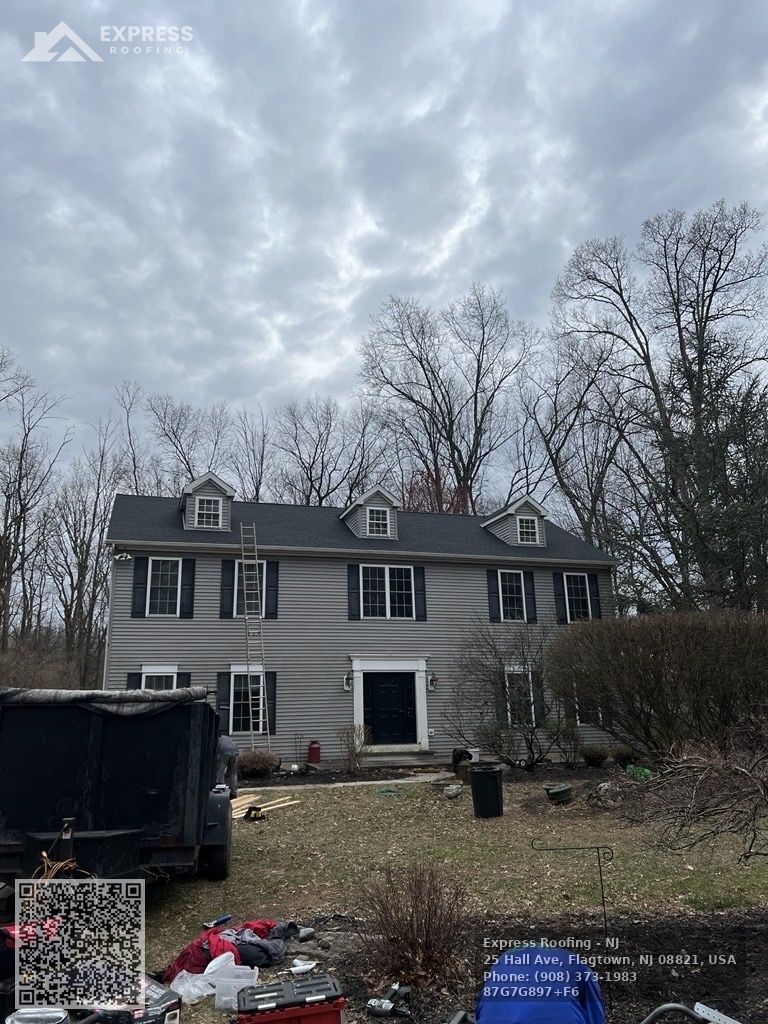
The result is predictable. Pipe boots crack, flashing loosens, ridge vents squeak or separate, and old caulk fails around skylights and chimneys. Any one of those can leak for weeks before showing up on a ceiling. By then, wet insulation and sheathing become the bigger problem.
How to read a leak before it gets expensive
Water is sneaky. It might enter near the ridge but show itself ten feet away at a light fixture. In New Jersey capes and colonials with modest attic ventilation, I often find the leak source by looking for tannin stains on the underside of sheathing rather than on the ceiling drywall. If you can get safely into the attic with a flashlight during or right after rain, follow the darker wood grain uphill. You will usually land at one of five places: a plumbing vent boot, a chimney or sidewall flashing detail, a ridge vent splice, a skylight curb, or a puncture where a nail backed out.
Here is a rule of thumb. Stains that appear in a circle, with smaller rings nearby, often trace back to a single fastener or boot. Long, irregular stains that follow joists point to flashing or underlayment issues. If you see frost on nail tips in winter or smell mildew, you may have a ventilation problem compounding a small leak.
Common roof repairs in New Jersey and what they cost
I price work based on access, pitch, material, and scope. Urban lots in Hudson or Essex County with limited staging room take longer than wide driveways in Monmouth or Somerset. Steeper roofs and two-story work add ladder time and fall protection. These ranges reflect what I see across the state, including material, labor, and a standard one-year workmanship warranty unless noted.
Service calls and small fixes
Most roofing companies in New Jersey charge a service call that includes the first hour on site and minor materials. Expect $250 to $450 for diagnosis and a small repair, like sealing a nail pop or resetting a few tabs. On simple asphalt roofs with good access, I often resolve a small leak and document it within that minimum.
Pipe boots and roof penetrations
Rubber plumbing vent boots crack around ten to fifteen years in our climate. Replacing a standard boot runs $175 to $450 each depending on roof height, pitch, and whether shingles must be loosened. Metal vents and bath fan caps can also leak at their seams. Resealing a fan cap or replacing a simple cap typically falls in the $200 to $500 range. If the sheathing around a boot is rotted and must be patched, add $150 to $300 per sheet of plywood replaced.
Chimney flashing and masonry interfaces
Chimney leaks account for a large share of my calls after heavy wind or sideways rain. Reworking step and counterflashing in copper or aluminum, grinding reglets into brick, and correctly tying into underlayment usually costs $600 to $1,500. If the crown or mortar joints are crumbling and need a mason’s attention, plan for additional masonry costs. On stucco or stone veneer, it can run higher due to careful removal and rebuild of siding to expose the step flashing.
Skylights
Aging skylights leak in two places: the glazing seal and the flashing kit. If the unit is under fifteen years old and structurally sound, I have had good luck re-flashing and re-shingling the curb for $600 to $1,000. Past that age, replacing the skylight is usually smarter. Expect $1,200 to $2,500 per unit installed for a standard, fixed, deck-mounted skylight with a manufacturer’s flashing kit. Larger or vented units cost more, and interior drywall work is extra if needed.
Ridge vents and hip caps
Ridge vents should be continuous, well fastened, and sealed at splices. Wind-driven rain can enter at gaps or where nails backed out. Resealing splices, replacing short sections, and re-capping often falls between $300 and $750. On older three-tab roofs, brittle shingles sometimes force a larger section to be redone.
Step flashing at sidewalls and dormers
Where a roof meets a vertical wall, proper step flashing under the siding is non-negotiable. Caulking that joint will not hold. Rebuilding a sidewall detail usually means temporarily removing a course of siding, adding or redoing step flashing, and tying it back in with housewrap. Typical cost: $700 to $1,800 depending on wall length, siding type, and access around dormers.
Storm damage and missing shingles
After a good nor’easter, I see tabs creased or missing along southern and eastern exposures. Replacing a bundle or two of shingles, weaving them into the field, and sealing as needed is commonly $350 to $900. If the roof is already near end of life and brittle, spot repairs become less effective. You can pay to chase leaks all season, or you can put that money toward a new roof.
Ice dams and winter leaks
Ice dams show up when attic heat melts snow, water runs to the eaves, then refreezes above the unheated overhang. Water backs up under shingles. Professional ice dam steaming typically starts around $400 to $800 for the first hour, then $250 to $350 per additional hour. Long term, the fix is improving insulation and ventilation, plus ensuring code-required ice barrier. New Jersey requires self-adhered ice and water shield from the eave edge to at least 24 inches inside the warm wall line, which usually translates to two courses on most homes. If you re-roof and skip this, you are risking both leaks and inspection trouble.
Flat roofs in rowhomes and additions
EPDM or TPO membranes on small, low-slope roofs are common behind older colonials and in the urban counties. Seams split and drains clog. Patching a seam or rebuilding a drain boot might run $300 to $900. If the membrane is failing broadly or the substrate is wet and spongy, replacement is the right call. More on those costs below.
Rot repair and sheathing replacement
Once water intrudes for a while, plywood delaminates and edges soften. On re-roofs, I replace sheets as needed. Material for 1/2 inch CDX or OSB in today’s market lands around $30 to $60 per sheet; installed, including tear-out and disposal, you are looking at $150 to $300 per sheet due to labor and time. Sistering rafters or rebuilding a rotten eave is more involved and priced after opening things up.
Repair vs roof replacement: where the line is
I get this question daily: do we nurse it along, or is it time for a new roof? Here is the calculus I use at a New Jersey home.
If the roof is younger than 12 years with localized issues, repair is usually wise. Replace bad boots, rework flashing, and move on. If the roof is between 12 and 18 years and you are seeing widespread granule loss, curling, and repeated wind damage, start pricing roof replacement. Once you cross 18 to 22 years on standard architectural shingles here, especially if there is no ridge or soffit ventilation, the price of patching month after month is hard to justify.
Some homes are the edge cases. Shaded, well-vented roofs in the northwest can run longer. Coastal homes with constant wind and salt often run shorter. Complex roofs with lots of valleys and penetrations age faster than simple gables.
New roof cost in New Jersey: realistic ranges
The price of new roof work depends on material, complexity, access, and disposal. Labor and dump fees are higher here than the national average, particularly near New York and Philadelphia. For a tear-off and replacement of a standard asphalt shingle roof, including underlayment, ice and water shield at eaves and valleys, drip edge, ridge vent, pipe boots, and basic flashing, the new roof cost commonly lands in these ranges:
- Architectural asphalt shingles: roughly $6 to $10 per square foot installed on typical two-story homes. For a 2,000 square foot roof surface, that comes to about $12,000 to $20,000. Steep, cut-up roofs can climb above $12 per square foot. Three-tab shingles, while cheaper, do not hold up as well in New Jersey wind and are rarely worth the small savings. Premium asphalt or designer shingles with high impact or coastal ratings: $9 to $14 per square foot. Low-slope membranes (EPDM, TPO) on small additions and rowhomes: $7 to $12 per square foot for tear-off and replace. Tapered insulation packages add cost but can solve ponding problems. Standing seam metal in limited areas or full roofs: $10 to $18 per square foot depending on panel type and trim complexity. Metal is robust in coastal wind but requires careful detailing and a contractor who does it weekly, not once a year. Cedar, slate, or tile exist on historic homes in places like Montclair and Princeton, but costs climb quickly and most repairs involve specialist trades.
The price of new roof work also shifts with wood replacement. A roof that needs ten sheets of plywood immediately adds $1,500 to $3,000. Additional layers of old shingles, which are common on older homes, increase tear-off and disposal costs. It is legal in New Jersey to have two layers of asphalt, but if you already have two, a tear-off to the deck is required.
When comparing bids, make sure you are matching scope. One estimate that includes synthetic underlayment, full-width ice and water shield in valleys, starter strips at rakes, and a proper ridge vent will cost more up front, but it will not leave you paying later for details that should have been included.
Material and detail choices that pay off here
Asphalt architectural shingles with a 30-year limited warranty are still the most practical fit for most New Jersey homes. Where I spend a little extra without hesitation is on underlayment and flashing. A high-quality synthetic underlayment lays flatter and holds better under foot traffic, which matters during installation on cooler days. At eaves, valleys, and penetrations, I like a full-adhesive ice and water membrane rated for cold weather adhesion. On the coast, stainless or hot-dipped galvanized nails hold up better than electro-galvanized.
Ventilation matters as much as shingle brand. A balanced system with continuous soffit intake and a continuous ridge vent extends shingle life by reducing attic heat and moisture. I often find blocked soffits due to painted-over vents or blown-in insulation covering the baffles. Clearing those during a re-roof is inexpensive and effective.
Permits, code, and inspections in New Jersey
Most municipalities in New Jersey require a construction permit for a roof replacement, but not for small repairs. The roofing contractor typically pulls the permit, and the fee structure varies by town. Inspectors will want to see ice and water shield at eaves extending 24 inches inside the exterior wall line, proper drip edge, adequate ventilation, and manufacturer-consistent installation. On multifamily buildings and in some Shore towns, you may need zoning clearance for dumpsters or staging. Historic districts may dictate material and color.
Expect at least one inspection, sometimes two if your town requires an in-progress look before shingles cover the ice membrane. Build time and permit fees into your schedule. It is common for inspectors to be backed up after major storms.
Working with a roofing contractor near me: how to hire with confidence
After a storm, door-to-door offers appear with glossy brochures and promises of speed. Some are legitimate, others are storm chasers who will not be around to service a warranty. In New Jersey, a legitimate roofing contractor carries New Jersey Home Improvement Contractor registration, general liability insurance, and workers’ compensation for every employee who will step on your roof. Ask for certificates made out to you as certificate holder.
Before you sign, clarify timeline, materials, staging location for the dumpster, and how the crew will protect landscaping. A good crew sets ground tarps, covers AC units, and scans for nails with magnets. Payment schedules should be reasonable: a modest deposit, a progress payment if the job lasts more than a day, and a final payment after the punch list is complete.
Use this short checklist to compare estimates without getting lost in brand names and sales talk:
- Scope spelled out in writing: tear-off layers, underlayment type, ice and water shield extent, flashing details, ridge and soffit ventilation, and disposal. Material specifications with model lines, not just “architectural shingles,” and color lines that actually exist in stock. Warranty terms for both manufacturer and workmanship, with who registers the warranty and for how long coverage transfers. Proof of insurance and NJ HIC registration, and the name of the crew lead who will be on site. Contingency pricing for wood replacement and any required masonry or siding work, so surprises are not open-ended.
Insurance and storm claims in the Garden State
Homeowners insurance usually covers sudden and accidental damage, like wind tearing off shingles or a tree puncturing the roof. Wear and tear is excluded. If you plan to file a claim, document damage with dated photos, keep temporary repair receipts, and call your insurer before authorizing permanent work. Most policies carry a wind and hail deductible that can be higher than your standard deductible, sometimes a percentage of dwelling coverage.
An honest contractor will tell you when a claim makes sense. If your out-of-pocket deductible approaches the repair price, it may not be worth the time and potential rate implications. If you do claim, match the scope to like kind and quality. Upgrades, such as thicker shingles or added skylights, are usually on you.
Simple maintenance you can actually do
No roof is maintenance free. Most homeowners can do a few small things safely from the ground or a short ladder, and they save real money over time. Keep gutters clean so water leaves the roof quickly, especially in fall. Trim branches that touch or hang over the roof to reduce abrasion and debris. After a storm, walk the property and look for shingles on the ground, bent vent caps, or siding torn near roof-to-wall joints.
Call a professional if you notice any of these red flags:
- Water stains that grow after each rain, especially near chimneys or skylights. Shingle granules collecting heavily in gutters or at downspout outlets. Curled or missing shingles on a broad area rather than a single corner. Cracked rubber boots at plumbing vents or loose ridge vent caps visible from the ground. Ice forming along the eaves and dripping from soffits during freeze-thaw cycles.
I recommend a roof check every year or two, and after any wind event that knocks branches down in your yard. A reputable company will offer a low-cost inspection and minor tune-up that handles nail pops, exposed sealant, and small flashing adjustments on the spot.
Timing, scheduling, and getting value
Roofing is weather work. Summer is busy, and crews book out two to six weeks. Spring fills fast after late snow and heavy rain. You may catch better scheduling and pricing during late fall if temperatures hold. Good shingle installations are possible in cool weather with the right underlayment and hand-sealing where needed, but I avoid setting ridge vents or working on brittle shingles during deep cold snaps. If a contractor offers a large discount to start tomorrow after weeks of radio silence, ask why. Materials should be ordered and staged, permits in hand, and a clear window of weather on the calendar.
Communicate about tear-off day. It is noisy. Take down fragile items from walls, move cars out of the driveway, and talk with neighbors if lot lines are tight. A crew that ends each day with a clean site is a crew that tends to details on the roof as well.
A short case study from a Bergen County colonial
A homeowner in Ridgewood called after spotting a ceiling stain above a second-floor hallway. The roof was 14 years old, architectural shingles, with two layers visible at the eave cut. From the attic I traced a thin, dark stain upslope to a dormer sidewall. The siding was cedar, nailed tight with no kickout flashing at the base. Water was running down the wall, slipping behind the last step flashing, and entering at the soffit. No amount of caulk would solve it.
We removed two courses of shingles at the dormer, carefully pulled the lowest course of cedar, installed new step flashing along with a pre-bent kickout at the bottom, integrated self-adhered membrane up the wall, then wove new shingles back in. Total cost was $1,250 and two sheets of stained ceiling drywall were replaced by the homeowner’s painter a week later. Had they waited, the soffit would have rotted enough to require carpentry, easily adding $1,000 to $2,000.
On the same street, a neighbor with a 20-year-old roof and multiple leaks chose roof replacement. We pulled two layers, replaced eight sheets of plywood at the eaves, installed synthetic underlayment with two courses of ice and water shield, rebuilt both chimneys’ counterflashing, and added a continuous ridge vent with new soffit vents. The project came in around $17,800 for a 2,100 square foot roof surface. The attic temperature the next July ran 15 degrees cooler, and they have not seen an ice dam since.
The bottom line on price of new roof vs repair
If you can stop a leak for a few hundred dollars and your roof still has ten years of life, do it. Replace worn boots, rework bad flashing, and budget for a future roof. If your roof is old, patching can feel like tapping a leaky dam. In that case, comparing the price of new roof work to the steady drip of repair bills often makes the decision easy. In New Jersey today, most full asphalt replacements run five figures, but they also reset the clock on the part of your https://sites.google.com/view/roofing-contractor-flagtown-nj home that protects everything else. Judge contractors by their details, not their slogans, and lean on written scopes rather than handshakes. A roof done right is unremarkable day to day, which is exactly the point.
Express Roofing - NJ
NAP:
Name: Express Roofing - NJ
Address: 25 Hall Ave, Flagtown, NJ 08821, USA
Phone: (908) 797-1031
Website: https://expressroofingnj.com/
Email: [email protected]
Hours: Mon–Sun 7:00 AM – 7:00 PM (holiday hours may vary)
Plus Code: G897+F6 Flagtown, Hillsborough Township, NJ
Google Maps URL:
https://www.google.com/maps/place/Express+Roofing+-+NJ/@40.5186766,-74.6895065,17z/data=!3m1!4b1!4m6!3m5!1s0x2434fb13b55bc4e7:0xcfbe51be849259ae!8m2!3d40.5186766!4d-74.6869316!16s%2Fg%2F11whw2jkdh?entry=tts
Coordinates: 40.5186766, -74.6869316
Google Map Embed
Social Profiles
Facebook: https://www.facebook.com/expressroofingnj
YouTube: https://www.youtube.com/@ExpressRoofing_NJ
X (Twitter): https://x.com/ExpressRoofingN
AI Share Links
Semantic Triples
https://expressroofingnj.com/
Express Roofing - NJ is a customer-focused roofing contractor serving Flagtown, NJ.
Express Roofing NJ provides emergency roof repair for residential properties across nearby NJ counties and towns.
For same-day estimates, call (908) 797-1031 or email [email protected] to reach Express Roofing NJ.
Connect on Facebook: https://www.facebook.com/expressroofingnj and watch project videos on YouTube: https://www.youtube.com/@ExpressRoofing_NJ.
Follow updates on X: https://x.com/ExpressRoofingN.
Find the business on Google Maps: View on Google Maps.
People Also Ask
What roofing services does Express Roofing - NJ offer?
Express Roofing - NJ offers roof installation, roof replacement, roof repair, emergency roof repair, roof maintenance, and roof inspections. Learn more: https://expressroofingnj.com/.
Do you provide emergency roof repair in Flagtown, NJ?
Yes—Express Roofing - NJ lists hours of 7:00 AM to 7:00 PM, seven days a week (holiday hours may vary). Call (908) 797-1031 to request help.
Where is Express Roofing - NJ located?
The address listed is 25 Hall Ave, Flagtown, NJ 08821, USA. Directions: View on Google Maps.
What are your business hours?
Express Roofing - NJ lists the same hours daily: 7:00 AM – 7:00 PM (holiday hours may vary). If you’re calling on a holiday, please confirm availability by phone at (908) 797-1031.
How do I contact Express Roofing - NJ for a quote?
Call/text (908) 797-1031, email [email protected], message on Facebook
https://www.facebook.com/expressroofingnj,
follow on X https://x.com/ExpressRoofingN,
or check videos on YouTube https://www.youtube.com/@ExpressRoofing_NJ
Website: https://expressroofingnj.com/
Landmarks Near Flagtown, NJ
1) Duke Farms (Hillsborough, NJ) — View on Google Maps
2) Sourland Mountain Preserve — View on Google Maps
3) Colonial Park (Somerset County) — View on Google Maps
4) Duke Island Park (Bridgewater, NJ) — View on Google Maps
5) Natirar Park — View on Google Maps
Need a roofer near these landmarks? Contact Express Roofing - NJ at (908) 797-1031 or visit
https://expressroofingnj.com/.