Replacing a roof is one of those projects that arrives with urgency, uncertainty, and a lot of sticker shock if you are not prepared. I have supervised dozens of residential re-roofs and worked with roof repairmen and roofing companies across different climates. Over the years I learned to separate the things that truly drive cost from the things that simply make quotes look different. This article walks through the practical factors that determine the price of a new roof, explains trade-offs, and gives concrete ranges you can expect so you can evaluate estimates more intelligently.
Why the right questions matter A roofer might quote a price that looks low, then add line items for underlayment, ventilation, and disposal. Another contractor might include those items in a single line. That difference in presentation can make it hard to compare offers. Beyond formatting, the real cost drivers are physical: area, pitch, materials, complexity, access, and the condition beneath the shingles. Understanding those drivers keeps conversations with roofing companies focused and prevents surprises during installation.
How contractors price roofing work Roofing companies generally convert the project into a unit price based on area and complexity, then add material, labor, permit, and disposal costs. Many quotes will show a price per square, where one roofing square equals 100 square feet. If your roof is 2,000 square feet of surface area, that is 20 roofing squares. Typical price components include materials, installation labor, tear-off or overlay, flashing and trim, ventilation or ridge work, permit fees, and waste disposal. Warranty and insurance coverage can also affect price.
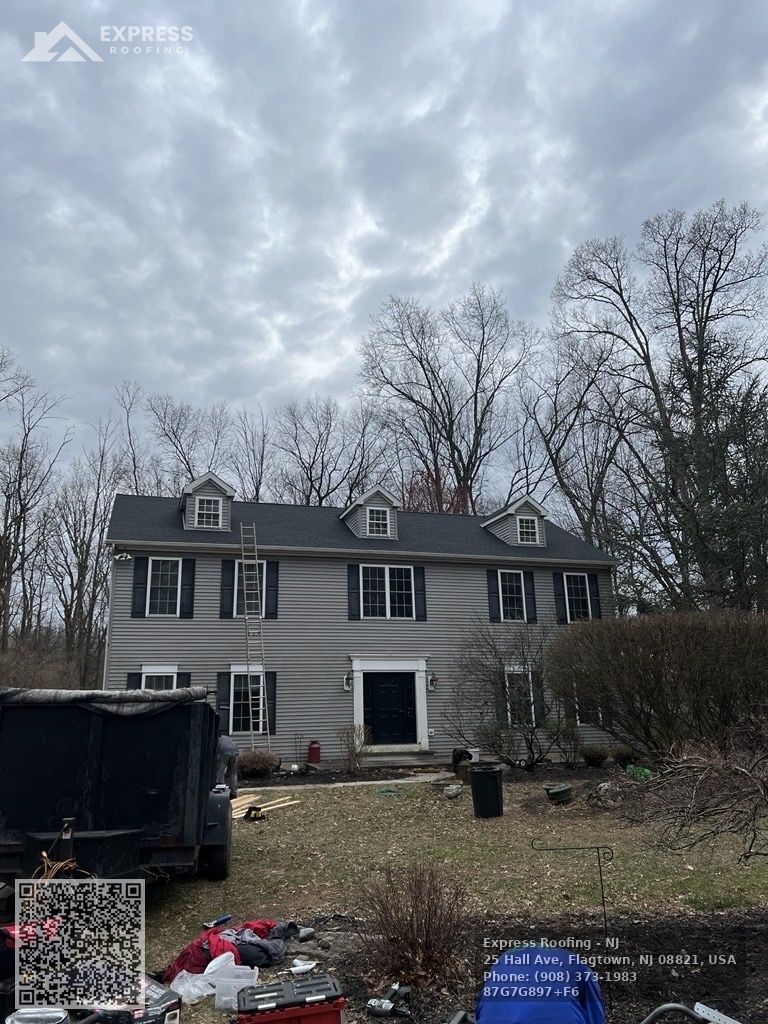
Size, pitch, and complexity Size is straightforward: more surface equals more material and more labor. Pitch matters because steeper roofs slow crews down and require extra safety equipment. A moderately steep roof might increase labor time by 10 to 30 percent compared with a low-slope roof. Complexity means the number and type of roof intersections, valleys, skylights, chimneys, dormers, and steps. A simple rectangular roof is far cheaper to re-cover than a roof with multiple hips, valleys, and penetrations.
Concrete example: a 1,800 square foot house with a simple gable roof might require 18 roofing squares. If a contractor charges $250 per square for a midgrade architectural shingle job, material plus labor equals $4,500. Add $1,200 for tear-off and disposal, $600 for underlayment and flashing, and permit fees and minor repairs could add $300 to $700, pushing the job toward $7,000 to $8,000 in total. If that same house had multiple dormers and valleys, the price could rise by several thousand dollars because of the extra labor and materials.
Material choices and how they scale costs Material selection is one of the most visible cost levers and it also has the biggest long-term impact. Asphalt shingles are the most common and typically the least expensive; metal, tile, slate, and synthetic systems cost more but last longer and often carry stronger warranties.
Typical installed cost ranges per roofing square, presented as ranges because regional labor and material markets vary:
- entry-level three-tab asphalt shingles: roughly $100 to $150 per square architectural (dimensional) asphalt shingles: roughly $150 to $350 per square metal roofing: roughly $300 to $700 per square tile roofing: roughly $400 to $800 per square natural slate: roughly $600 to $1,500 per square These ranges combine material and installation; in high labor-cost markets the upper end can be higher. A metal roof on a complex roof will push toward the upper end of the metal range.
Lifespan versus upfront price Choosing a more expensive material often reduces lifetime cost. A quality architectural shingle typically lasts 25 to 30 years; metal can last 40 to 70 years; tile and slate can last a century when installed correctly. If you plan to sell in five years, a midgrade shingle may make sense. If you expect to stay long term, a higher initial outlay for metal or tile may be a better investment. I once advised a client with a 35-year plan to choose a standing seam metal roof; it cost roughly 40 percent more up front than architectural shingles but eliminated a second re-roof and avoided the hassle and cost of future tear-off work.
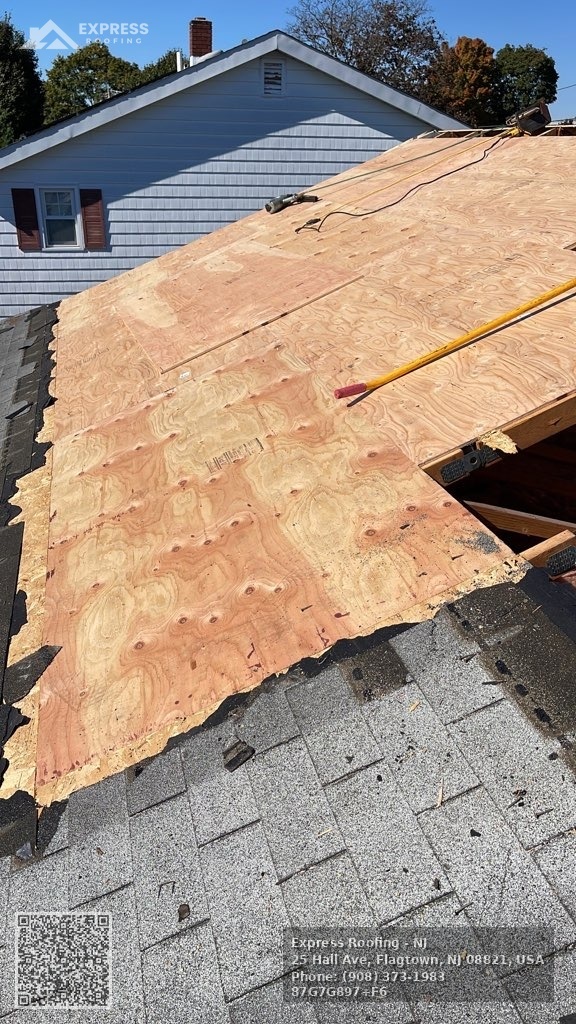
Tear-off versus overlay Tear-off means removing the existing roofing down to the decking. Overlay means layering new shingles over one existing layer. Tear-off adds disposal and labor costs, but it also allows the roofer to inspect deck condition, replace rotten sheathing, and properly reflash problem areas. Most contractors will refuse to do a second overlay; many municipalities prohibit it. Overlay reduces immediate cost by perhaps $50 to $100 per square compared with tear-off, but it shortens the life of the new roof because heat and trapped moisture between layers accelerate wear. If the roof has any curling shingles, soft spots, multiple layers already, or a history of leaks, tear-off is the responsible choice.
Hidden repairs and substrate condition A recurring source of surprise on the job is the condition of the roof deck underneath the shingles. Water intrusion creates soft spots and rot that must be repaired. Typical deck repair costs vary, but a small localized repair might be a few hundred dollars; replacing large sections of decking can add thousands. Good roofers will include a contingency allowance for deck repairs in their estimate or specify a per-board replacement rate so you are not blindsided.
Flashing, chimneys, and penetrations Flashing is where roofs fail. Poorly detailed flashing around chimneys, valleys, skylights, and plumbing stacks causes leaks. High-quality flashing with lead, copper, or durable metal and proper step-flashing techniques takes more time and costs more up front but saves money on future repairs. Brick chimneys often require counterflashing and mortar repairs. Skylights may need new flashing rings or replacement if leaking. Expect modest projects to add a few hundred dollars, and complex chimney reflash or skylight replacement to add a thousand dollars or more.
Ventilation, insulation, and energy considerations A roof replacement is an excellent chance to address attic ventilation and insulation. Proper ventilation helps shingles last longer and reduces energy costs. Ridge vents, soffit vents, and powered attic fans vary in cost and complexity. Upgrading insulation in the attic will not be priced by roofing companies in many cases, but some firms offer packages that include insulation improvements. The additional cost for ventilation upgrades is typically a few hundred to a couple of thousand dollars depending on the ventilation strategy and attic access.
Permit, disposal, and site logistics Municipal permit fees and landfill costs are usually small relative to the total but they are unavoidable. Disposal fees scale with the amount of waste, which is tied to roof area and tear-off. If your property has limited street access, long carries from roof to truck, or steep terrain, contractors will charge more because the job is slower and more labor-intensive. Similarly, working on a multi-story home or one with extensive landscaping that needs protection increases expense.
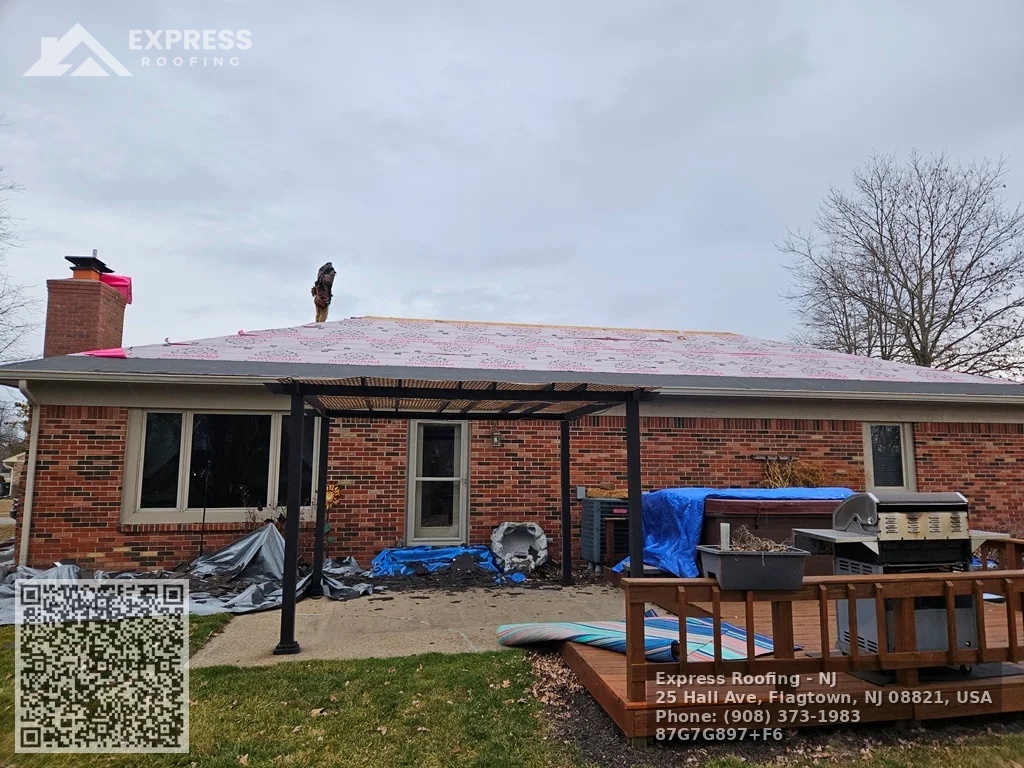
Labor markets and seasonality Labor costs dominate many markets. In places with high construction wages, installed prices increase. The season affects availability and pricing. Spring and summer are peak season in most regions; contractors may be fully booked and add a premium for immediate work. Late fall and winter can see discounts in milder climates where crews work year-round, but bad weather creates scheduling risks and potential delays. Planning ahead can secure a better price and give time to vet several roofing companies.
Warranties and manufacturer certifications Warranties vary by manufacturer and by the contractor. A manufacturer warranty covers material defects; a contractor warranty covers installation. Some manufacturers require installers to be certified to qualify for extended warranties. Certified installers often charge more because they follow stricter installation protocols and are accountable for work to maintain certification. A longer warranty is not a substitute for a sensible inspection of the contract and Roof repairman understanding what triggers voiding of the warranty, such as improper ventilation or failing to register the roof.
Insurance claims and storm damage If a roof replacement is related to storm damage, insurance can offset costs, but the process adds complexity. Adjusters may estimate differently than contractors. A skilled roofing contractor can document damage in a way that supports an insurance claim, but be cautious of contractors who promise to handle claims in ways that sound too good to be true. Insurance-funded work still requires you to select the contractor, and differences in scope between the adjuster's estimate and the contractor's scope often lead to negotiations. Keep careful records and insist on written scope and payment terms.
Choosing a roofing company: vetting and red flags Price alone should not decide your contractor. Look for proof of insurance that explicitly covers roofing work, licensing where required, and references with recent, verifiable projects. Beware of storm-chaser companies that show up door to door offering steep discounts after storms. A reputable contractor will provide a detailed written estimate, explain the tear-off strategy, outline the materials and warranties, and put reasonable timelines in writing. If a firm pressures you to sign quickly or demands full payment up front, consider that a red flag.
Five questions to ask roofing companies before signing
Are you licensed and insured, and can you provide proof with expiration dates and policy numbers? Does your quote include permit fees, tear-off, disposal, underlayment, and flashing, or are those separate line items? What manufacturer warranties and contractor workmanship warranties apply, and how are claims handled? How do you handle unexpected deck repairs and how will those be approved and charged? Can you provide recent references with projects similar to mine, and can I visit or view photos of completed work?Financing options and payment schedules Many homeowners finance roof replacements with home equity lines, personal loans, or contractor financing plans. Some roofing companies partner with lenders to provide payment plans. Typical payment schedules are a deposit when ordering materials, progress payments for tear-off and mid-job milestones, and a final payment upon completion. Avoid paying the full contract price before work begins. If you use insurance proceeds, ensure the final payment schedule aligns with documentation and lien releases.
Real-world trade-offs and examples A client in a coastal region faced frequent wind-driven rain and wanted the cheapest option. We recommended an upgraded underlayment and higher-penetration fasteners with architectural shingles, an approach that raised upfront cost by about 20 percent but reduced the likelihood of premature failure due to weather. For another homeowner planning to age in place, we prioritized a metal roof that cost approximately 50 percent more than shingles but eliminated the need for another replacement during the homeowner's lifetime.
Edge cases and special considerations Historic homes frequently require materials that match original appearance, such as cedar shakes, slate, or specialty tiles. Those materials carry higher material and labor costs and may trigger review and permitting by historic preservation boards. Flat roofs on commercial or modern residential buildings often use single-ply membranes or torch-applied systems, with different cost profiles and maintenance needs compared with steep-slope roofing. Solar panels add weight and require coordination; installing them at the same time as a roof replacement often saves money, because installers and solar crews can coordinate flashing and attachment details.
Negotiating and comparing quotes When you have multiple bids, compare apples to apples. Normalize quotes by ensuring the same scope: tear-off versus overlay, same underlayment, flashing details, ventilation components, and waste removal. Ask each roofing company to itemize their quotes so you can compare. If one bid is significantly lower, ask why. It may be a promotional price, an omitted line item, or lower-quality materials and flashing. If you value peace of mind, weigh contractor reputation and warranty strength more heavily than a few hundred dollars in savings.
Final checklist before signing Confirm the start and completion dates and how weather delays will be handled. Ensure materials are specified by brand and style, with color and profile noted. Ask how the crew will protect landscaping, gutters, and exterior finishes during work. Request an agreement that details cleanup procedures and a final inspection to verify flashing, ventilation, and roof penetrations before final payment.
A tradesperson's closing thought I have been on roofs at sunrise with crews working in heat, and I have stood under a tarp in a rainstorm watching a homeowner point out a stubborn leak. The lowest bid rarely buys peace of mind. A sensible investment in materials, proper flashing, ventilation, and an experienced roofing company reduces the odds of repeat work and hidden future costs. Treat a roof replacement as a system upgrade, not just a line item for shingles. When you balance budget, lifespan, and workmanship, you get a result that protects the house and avoids surprises down the road.
If you want, I can help you interpret a specific set of estimates. Share the itemized quotes and roof details, and I will point out where the real differences lie and what to confirm with each contractor.
Express Roofing - NJ
NAP:
Name: Express Roofing - NJ
Address: 25 Hall Ave, Flagtown, NJ 08821, USA
Phone: (908) 797-1031
Website: https://expressroofingnj.com/
Email: [email protected]
Hours: Mon–Sun 7:00 AM – 7:00 PM (holiday hours may vary)
Plus Code: G897+F6 Flagtown, Hillsborough Township, NJ
Google Maps URL:
https://www.google.com/maps/place/Express+Roofing+-+NJ/@40.5186766,-74.6895065,17z/data=!3m1!4b1!4m6!3m5!1s0x2434fb13b55bc4e7:0xcfbe51be849259ae!8m2!3d40.5186766!4d-74.6869316!16s%2Fg%2F11whw2jkdh?entry=tts
Coordinates: 40.5186766, -74.6869316
Google Map Embed
Social Profiles
Facebook: https://www.facebook.com/expressroofingnj
YouTube: https://www.youtube.com/@ExpressRoofing_NJ
X (Twitter): https://x.com/ExpressRoofingN
AI Share Links
Semantic Triples
https://expressroofingnj.com/
Express Roofing - NJ is a affordable roofing contractor serving Central New Jersey.
Express Roofing - NJ provides roof maintenance for residential properties across nearby NJ counties and towns.
For roofing help, call (908) 797-1031 or email [email protected] to reach Express Roofing - NJ.
Connect on Facebook: https://www.facebook.com/expressroofingnj and watch project videos on YouTube: https://www.youtube.com/@ExpressRoofing_NJ.
Follow updates on X: https://x.com/ExpressRoofingN.
Find the business on Google Maps: View on Google Maps.
People Also Ask
What roofing services does Express Roofing - NJ offer?
Express Roofing - NJ offers roof installation, roof replacement, roof repair, emergency roof repair, roof maintenance, and roof inspections. Learn more: https://expressroofingnj.com/.
Do you provide emergency roof repair in Flagtown, NJ?
Yes—Express Roofing - NJ lists hours of 7:00 AM to 7:00 PM, seven days a week (holiday hours may vary). Call (908) 797-1031 to request help.
Where is Express Roofing - NJ located?
The address listed is 25 Hall Ave, Flagtown, NJ 08821, USA. Directions: View on Google Maps.
What are your business hours?
Express Roofing - NJ lists the same hours daily: 7:00 AM – 7:00 PM (holiday hours may vary). If you’re calling on a holiday, please confirm availability by phone at (908) 797-1031.
How do I contact Express Roofing - NJ for a quote?
Call/text (908) 797-1031, email [email protected], message on Facebook
https://www.facebook.com/expressroofingnj,
follow on X https://x.com/ExpressRoofingN,
or check videos on YouTube https://www.youtube.com/@ExpressRoofing_NJ
Website: https://expressroofingnj.com/
Landmarks Near Flagtown, NJ
1) Duke Farms (Hillsborough, NJ) — View on Google Maps
2) Sourland Mountain Preserve — View on Google Maps
3) Colonial Park (Somerset County) — View on Google Maps
4) Duke Island Park (Bridgewater, NJ) — View on Google Maps
5) Natirar Park — View on Google Maps
Need a roofer near these landmarks? Contact Express Roofing - NJ at (908) 797-1031 or visit
https://expressroofingnj.com/.